Clutter-Free Spaces: Practical Systems for Toy Rotation, Bin Labeling, and Managing School Paperwork
Simple organizing systems that keep family life calm, clear, and easy to maintain.
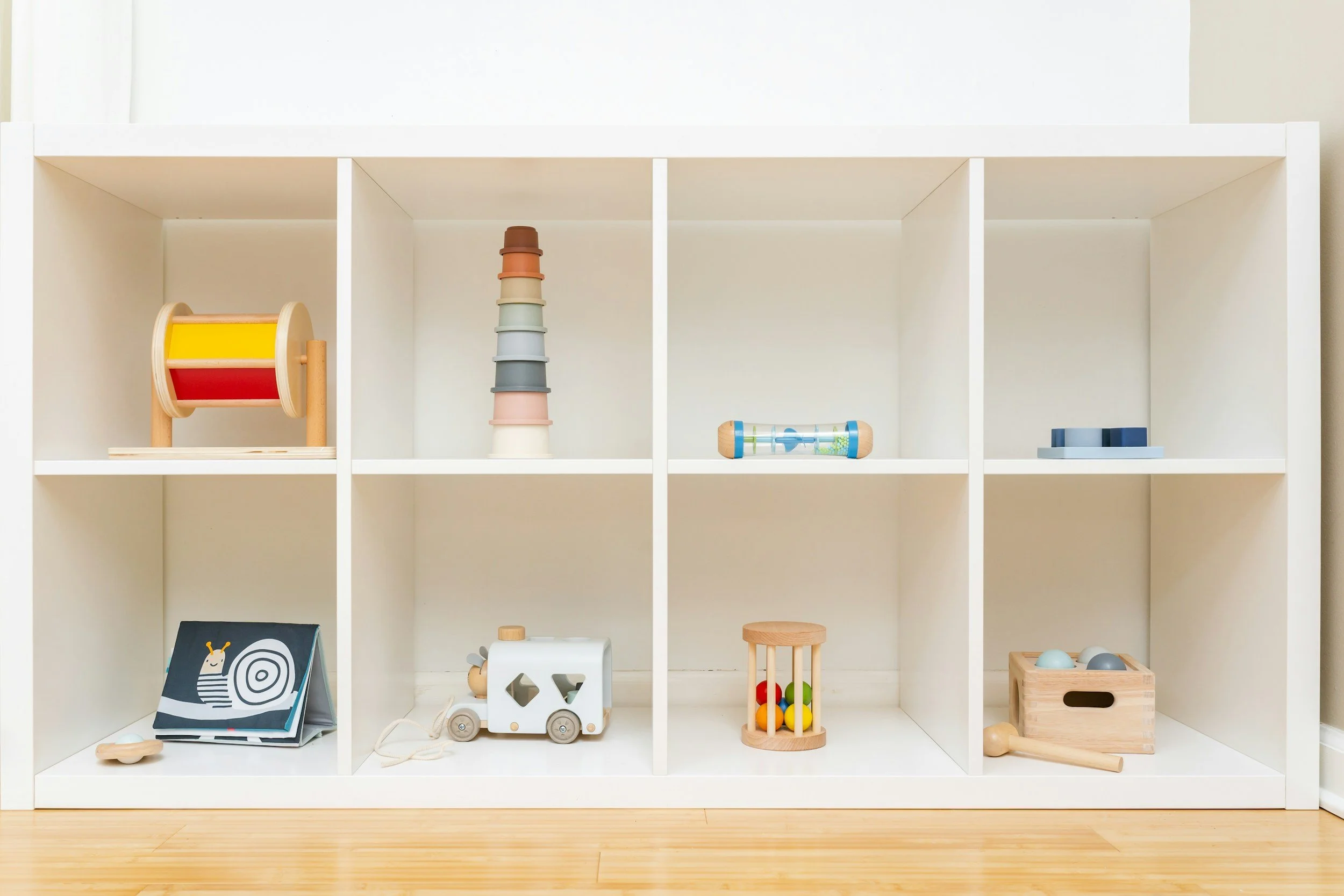
If your home feels like it “gets messy again” the second you look away, you’re not failing—you’re missing a few simple systems and routines.
Clutter is easier to manage when every item has an obvious place to land and a predictable rhythm for getting it there. The best organizing systems don’t just look nice; they save time, reduce stress, and make cleanup easier for the whole family—including kids who are still learning what “put it away” means.
1) Toy rotation that keeps playtime fresh
Toy rotation is one of the fastest ways to cut visual clutter without “getting rid of everything.” The idea is simple: keep a curated set of toys available now, and store the rest out of sight until it’s their turn.
Start by sorting toys into a few broad categories that make sense for your family. Keep it simple—too many categories becomes a new kind of chaos. Common options include:
Building (blocks, magnetic tiles, Legos)
Pretend play (dolls, kitchen, dress-up, action figures)
Games & puzzles
Creative (craft kits, coloring, Play-Doh)
Vehicles & trains
Next, choose how many categories you want “live” at once—often 3–5 is plenty for busy families. Put those where kids can reach them, and store the extras in a closet, lidded bins, or a high shelf in the garage—anywhere they’re truly out of sight.
Set a realistic rotation schedule: weekly, every two weeks, or monthly. If you’re new to rotating, start monthly so it doesn’t feel like one more task. A quick reset can be as easy as swapping one or two categories, not everything at once.
When fewer toys are out, three good things happen: cleanup is faster (less to gather), rooms look calmer (less visual noise), and kids often play more deeply because the options aren’t overwhelming.
2) Bin labeling that actually gets used
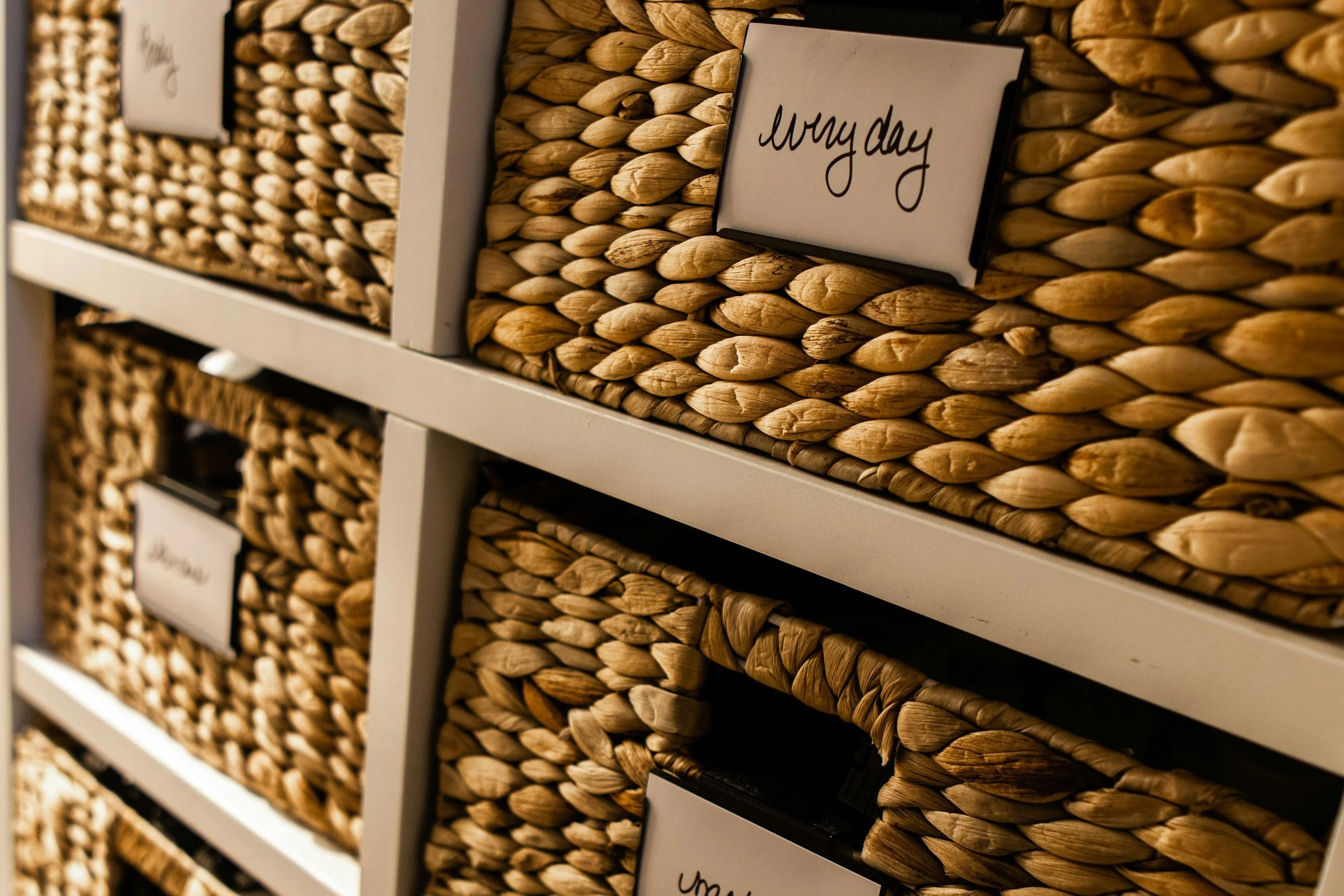
Labels aren’t about being “Pinterest-perfect.” They’re about making your system so obvious that anyone in the house can maintain it—on the busiest weekday, with the least amount of thinking.
Here’s what makes labels work in real family homes:
Keep them simple and consistent. Use the same style of label throughout a space (same wording approach, same placement). Consistency helps everyone learn the system quickly.
Use clear, familiar words. Choose language your kids already use: “Cars” instead of “Vehicles,” “Dress-Up” instead of “Costumes.” The label should match how your family thinks.
Add picture labels for younger children. Pair a photo or simple icon with the word so pre-readers can still succeed independently.
Group similar items together. When categories make sense (all art supplies together, all building toys together), it’s easier to put things away and easier to notice what doesn’t belong.
Label the “home,” not the stuff. A bin label should describe what goes inside—not every tiny item. This keeps the system flexible as interests change.
One more pro tip: if a bin is constantly overstuffed, it’s not a discipline issue—it’s a capacity issue. Either reduce what’s inside or size up the container so putting things away doesn’t require “perfect packing.”
3) Managing school paperwork without the pile-up
School papers multiply fast—forms, artwork, newsletters, permission slips, reminders. Without a simple flow, they land on counters, disappear into backpacks, and resurface when you least have time.
The goal is a repeatable paper routine that takes just a few minutes and keeps important items visible until they’re handled.
Create a small “intake spot.” Choose one landing zone near where backpacks naturally drop (kitchen counter corner, mudroom shelf, entry table). Add one tray or bin labeled “School—In.” Everything goes there first, no exceptions.
Do a weekly sort—same day, same time. Pick a routine moment (Sunday evening, Friday after school, or during a quiet weekday reset). Set a 10–15 minute timer and process the intake bin using a simple method:
Keep-file — items you need to save (class lists, info you’ll reference, medical forms, year-long calendars). Store in a labeled folder or a thin binder by child.
Action — permission slips to sign, fees to pay, forms to return. Keep in a visible “To Sign/To Return” folder so it doesn’t get buried.
Shred/Recycle — anything you don’t truly need. Be decisive so paper doesn’t “wait for later.”
Handle artwork with intention. Give kids a single display spot (fridge, clip frame, corkboard), then choose a simple rule: keep one “current favorites” folder per child, and take photos of the rest before recycling. You preserve the memory without storing every sheet of paper.
With one intake spot, one weekly sort, and a clear keep-file/shred/recycle method, papers stop taking over your counters—and your family always knows where to find what matters.
Conclusion: Systems beat perfection—every time
A clutter-free home isn’t built on willpower or perfect habits. It’s built on repeatable systems: a toy rotation that limits what’s out, labels that make putting things away automatic, and a paper routine that keeps school life from spreading across the whole house.
If you’d like help setting up customized organizing systems for toy storage, bin labels, and family paperwork, we’d love to support you. Contact us to schedule a consultation—so your home can feel calmer, function better, and stay that way with less effort.